

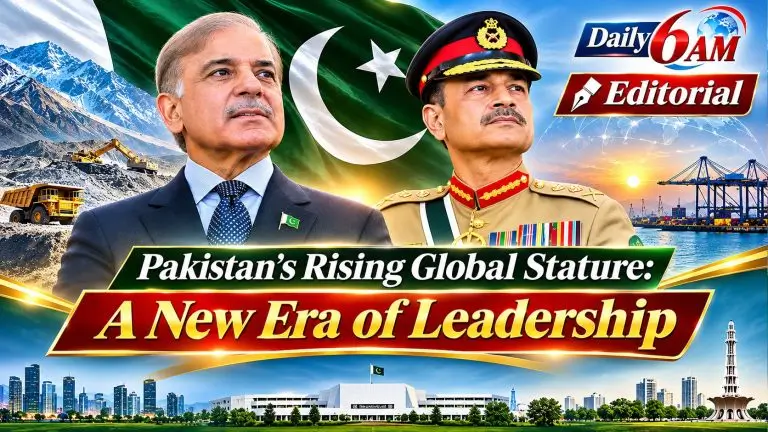
Pakistan’s national strength rests on effective leadership, strong institutions, defence capabilities and international credibility. Throughout its history, the country’s armed forces have played a vital role in safeguarding national sovereignty, protecting territorial integrity and combating terrorism. Their professionalism, dedication and sacrifices remain an important foundation of national security.
Recent diplomatic and defence engagements involving Prime Minister Mian Muhammad Shehbaz Sharif and Field Marshal Syed Asim Munir have brought renewed international attention to Pakistan. High-level interactions with world leaders, regional security discussions and efforts to strengthen bilateral relations have highlighted the country’s strategic importance and diplomatic potential.
Field Marshal Syed Asim Munir’s leadership has been particularly significant in advancing defence cooperation and military diplomacy. His international engagements have underscored Pakistan’s role in regional security and its commitment to peace, stability and constructive international partnerships.
The inclusion of Prime Minister Shehbaz Sharif and Field Marshal Syed Asim Munir in international listings of influential Muslim personalities has also attracted attention. Deputy Chairman Senate Syedaal Khan Nasar has welcomed this recognition, describing it as an acknowledgment of their leadership, diplomatic vision and contributions to regional stability.
Such recognition offers an opportunity to further strengthen Pakistan’s international standing. However, the lasting value of diplomatic achievements depends on their practical benefits, including increased foreign investment, stronger trade relations, economic cooperation and improved opportunities for citizens.
Pakistan’s armed forces continue to serve as a fundamental pillar of national security. Their sacrifices in defending the country and confronting security threats deserve national recognition. Effective coordination between civilian and military leadership, within their constitutional responsibilities, can further strengthen national stability and advance shared development objectives.
Economic progress must remain a central priority. Pakistan needs sustained investment in education, healthcare, infrastructure and employment generation. Balochistan, with its vast mineral resources, strategic coastal location and economic potential, can make a significant contribution to national prosperity through improved security, investment and development.
Pakistan’s rising global stature: A New Era of Leadership
The diplomatic momentum associated with Pakistan’s current leadership should now be translated into measurable economic and social progress. International recognition becomes more meaningful when it strengthens national institutions, attracts investment and improves the lives of ordinary citizens.
Prime Minister Shehbaz Sharif and Field Marshal Syed Asim Munir’s recent international engagements have created opportunities to enhance Pakistan’s global standing. The next priority must be to turn these opportunities into lasting peace, economic prosperity and national progress.

