

QUETTA | Commissioner Quetta Division Zeeshan Lashari has directed authorities to transform the provincial capital into a model city for cleanliness, expand door-to-door waste collection services and ensure prompt clearance of garbage collection points.
Over 40,000 tons of waste collected monthly; city has 137 dumping sites, six transfer stations and two landfill sites; comprehensive record of sanitation machinery and workforce ordered
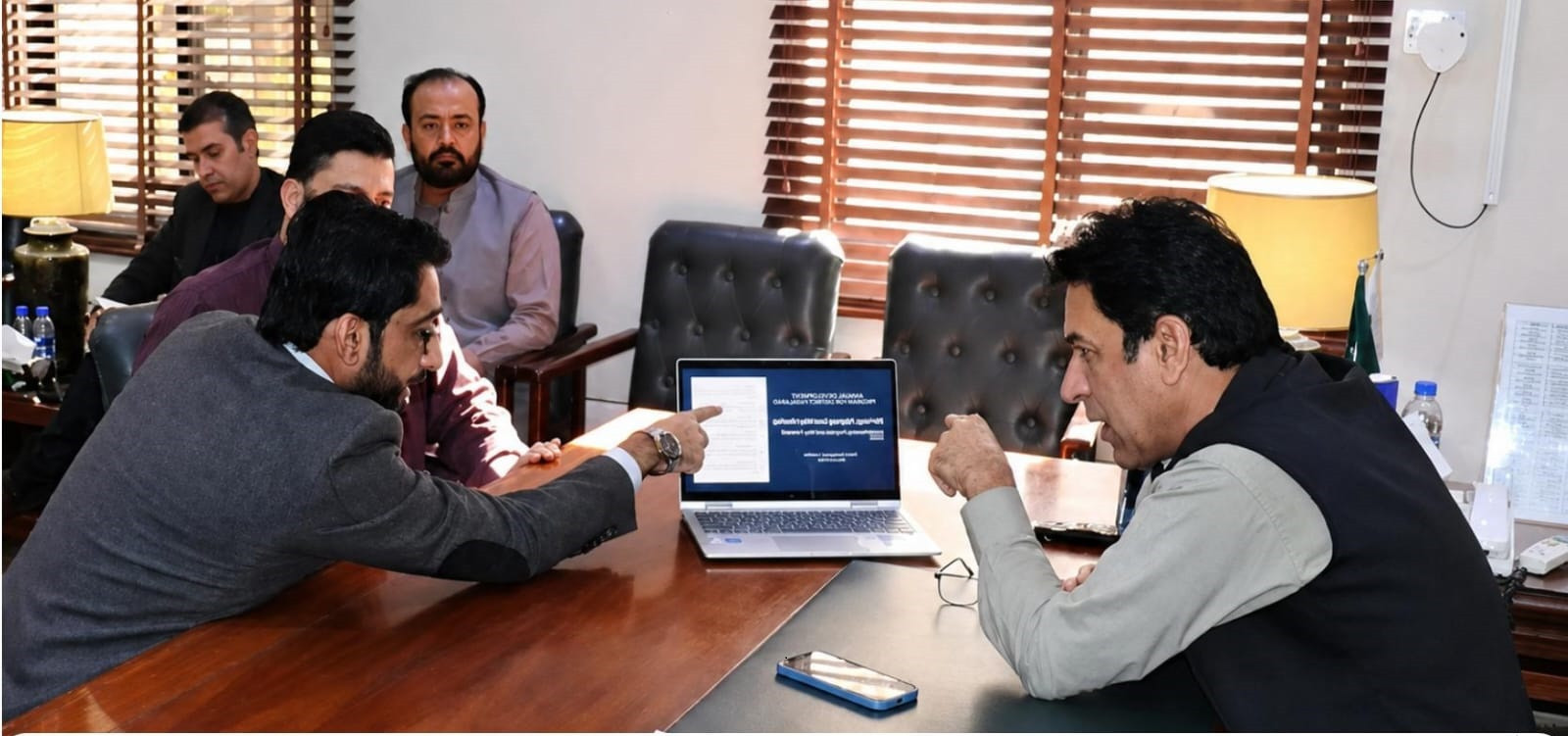
He issued these directives while chairing a meeting to review the city’s sanitation conditions and the performance of Safa Quetta. Safa Quetta CEO Dil Nawaz Shah, Public-Private Partnership officials and representatives of relevant departments attended the meeting.
Briefing the meeting, the CEO said Safa Quetta had been responsible for waste collection and proper disposal across the city for the past three years.
The meeting was informed that more than 40,000 tons of waste were being collected monthly from Quetta this year. The city has 137 dumping sites, six transfer stations and two landfill sites, while waste disposal operations have also commenced in Kuchlak in addition to the Eastern Bypass.
According to the briefing, Quetta has more than 200,000 residential and 95,000 commercial consumers, while door-to-door waste collection is helping improve sanitation conditions.
The Metropolitan Corporation continues to provide machinery, manpower and other resources. Of the 384 employees who have reported for duty, 170 are actively working.
The meeting also reviewed payment procedures for the private partner, tax deductions, penalties and audit certification.
Commissioner Zeeshan Lashari directed officials to compile a comprehensive record of all sanitation vehicles, machinery and employees to strengthen operational monitoring and performance evaluation.
He emphasized that all available resources should be utilized to make Quetta a clean and model city, creating a positive impression among residents and visitors.
The commissioner urged citizens to cooperate with the administration by disposing of household waste at designated collection points or placing it in garbage bags instead of dumping it on streets, roads and into drains.

